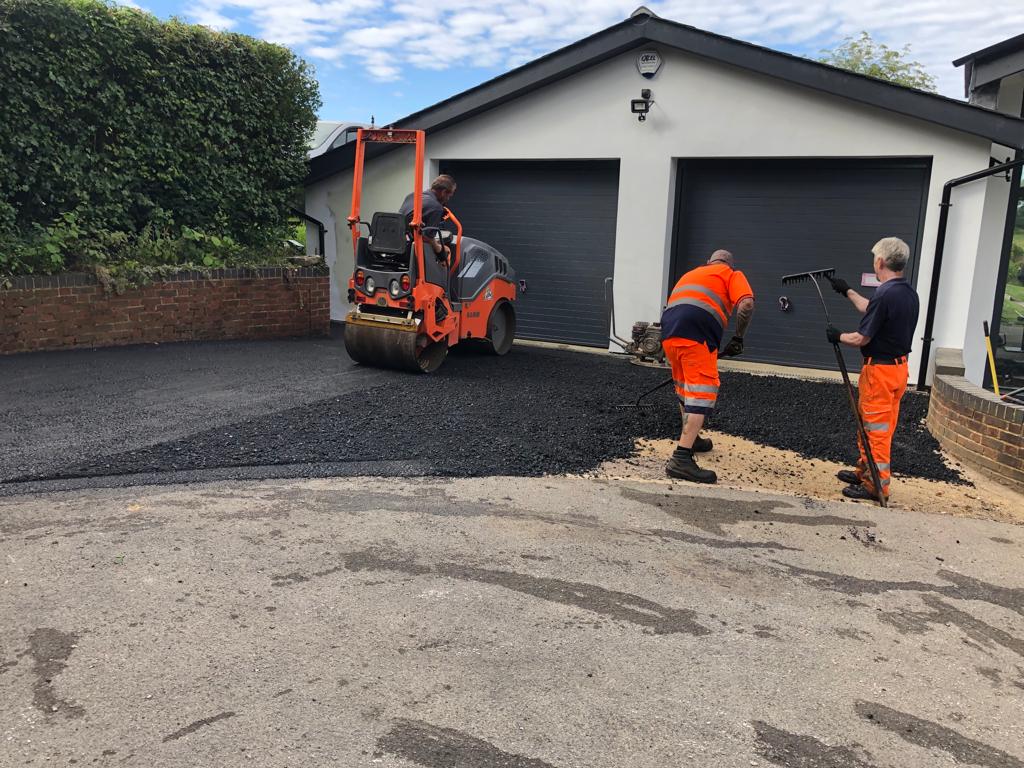
The role of the base beneath asphalt
A smooth asphalt surface depends on more than the material you can see. Beneath it, a properly prepared and compacted base supports the pavement and helps distribute the weight of vehicles across the ground. If that layer is weak, uneven or poorly drained, the asphalt above it can deteriorate sooner than expected.
For driveways and other paved areas in Deception Bay, Queensland, understanding the base is an important part of planning resurfacing or new asphalt work. A sound foundation helps the finished surface perform as intended.
How a stable base supports asphalt
Asphalt is designed to form a durable, usable surface, but it cannot compensate for an unstable foundation. A suitable base provides a firm platform for laying asphalt and helps resist movement under everyday traffic.
When the base is properly prepared, it can help:
- spread vehicle loads across a wider area
- reduce movement and deformation
- provide consistent support across the surface
- help prevent dips, rutting and premature cracking
The base needs to suit the ground conditions and the intended use of the area. A residential driveway and a surface that regularly carries heavier vehicles may have different requirements.
What can happen when the base is unstable?
If the underlying ground or base shifts, settles or becomes saturated, the asphalt may move with it. Cracks can develop, low spots may form, and repeated vehicle use can make ruts or depressions more pronounced. Water can then collect in uneven areas and place further strain on the pavement.
Simply laying a new asphalt layer over a failing base may hide the problem for a time, but it does not address the cause. Where the foundation has deteriorated, preparation or repairs beneath the surface may be needed before resurfacing.
Why drainage and compaction matter
A stable base relies on suitable preparation. This can include assessing the ground, removing unsuitable material, shaping the area and compacting the base evenly. The finished levels should also allow water to drain away rather than remain on the pavement or flow towards buildings.
The right approach depends on the site. Existing surface condition, ground stability, drainage and expected traffic all help determine what preparation is appropriate.
Signs that the base may need attention
Some surface problems can point to movement beneath the asphalt, particularly when they recur or continue to worsen. Look for:
- cracks that return after patching
- depressions or uneven areas
- wheel ruts in frequently used sections
- water pooling after rain
- edges that appear to have settled or broken away
These signs do not always confirm a base problem, so an assessment can help identify whether the issue is limited to the surface or extends below it.
Conclusion
A stable base gives asphalt the consistent support it needs to handle traffic and remain even. Proper preparation, compaction and drainage can help reduce the risk of cracking, rutting and settlement. If your driveway or paved area in Deception Bay is showing signs of movement, contact Deception Bay Surfacing Solutions to discuss an assessment and suitable asphalt resurfacing options.
Call us on: 07 3113 9873
Click here to find out more about Deception Bay Surfacing Solutions
Click here to complete our contact form and see how we can help with your surfacing needs.