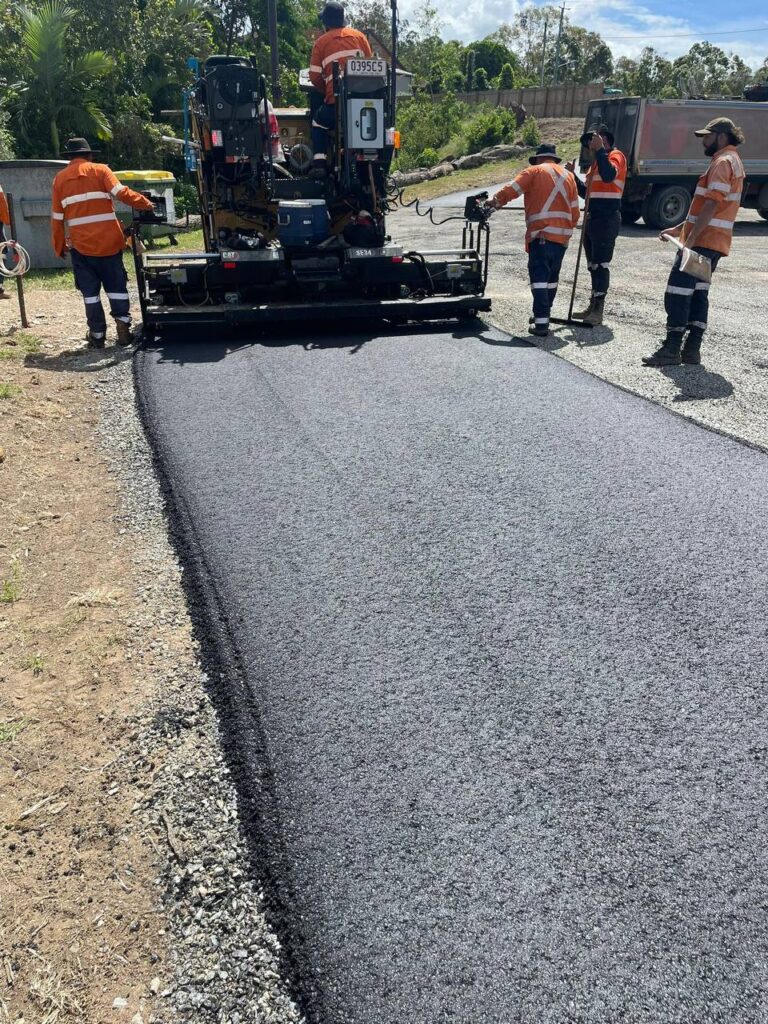
Strong asphalt surfaces don’t start with the asphalt itself. They start with correct grading. In Deception Bay, where driveways, access roads, and hardstand areas are exposed to regular traffic and weather conditions, grading plays a vital role in how well an asphalt surface performs over time. When grading is done properly, it provides the foundation needed for durability, drainage, and long-term stability.
At Deception Bay Surfacing Solutions, grading is treated as a critical stage in every asphalt and bitumen surfacing project.
What Grading Really Means in Asphalt Surfacing
Grading is the process of shaping and levelling the ground before any asphalt is laid. This includes setting correct heights, forming smooth transitions, and creating the right falls to manage water runoff.
Rather than simply making the surface look level, grading ensures the ground beneath the asphalt is prepared to support loads evenly and remain stable under daily use.
Load Distribution Starts With the Ground Below
Asphalt relies on the layers beneath it to carry weight. Without proper grading, loads are concentrated in weak areas, which can lead to cracking, sinking, or surface deformation.
Correct grading helps spread vehicle loads evenly across the base, reducing stress points and allowing the asphalt surface to perform as intended. This is especially important for driveways and access areas in Deception Bay that experience frequent vehicle movement.
Drainage Is a Key Factor in Surface Strength
Water is one of the biggest threats to asphalt durability. If water is allowed to pool or drain toward the surface, it can penetrate the pavement and weaken the layers below.
Grading ensures water flows away from the asphalt rather than sitting on it or draining underneath. Proper falls and surface shaping reduce moisture exposure and help protect the structure of the pavement over time.
Preventing Uneven Settling and Surface Movement
Poorly graded ground can settle unevenly, even if the asphalt surface looks smooth at first. Over time, this movement can cause depressions, cracking, and surface failure.
Professional grading creates a stable, compacted base that resists movement. This stability allows the asphalt to maintain its shape and strength, even under regular traffic and environmental stress.
Supporting Asphalt Thickness and Compaction
Grading directly affects how evenly asphalt can be laid and compacted. An uneven or poorly shaped base can result in inconsistent asphalt thickness, which weakens the surface and shortens its lifespan.
Accurate grading allows asphalt to be applied at the correct depth across the entire area, ensuring consistent compaction and reliable performance throughout the surface.
Long-Term Performance Starts Before Asphalt Is Laid
Many surface issues blamed on asphalt actually originate from poor preparation beneath it. Cracking, water damage, and early wear are often signs that grading was overlooked or rushed.
By prioritising grading from the outset, asphalt surfaces in Deception Bay are far more likely to remain durable, functional, and low maintenance over the long term.
Conclusion
Grading is a fundamental part of building stronger asphalt surfaces. By ensuring proper load distribution, effective drainage, stable ground conditions, and consistent asphalt application, grading supports both the performance and longevity of the finished surface.
Deception Bay Surfacing Solutions provides professional grading and asphalt surfacing services designed to deliver reliable, long-lasting results. If you are planning a new asphalt surface or want to improve the performance of an existing one, contact Deception Bay Surfacing Solutions to discuss how correct grading can make a lasting difference.
Call us on: 07 3113 9873
Click here to find out more about Deception Bay Surfacing Solutions
Click here to complete our contact form and see how we can help with your surfacing needs