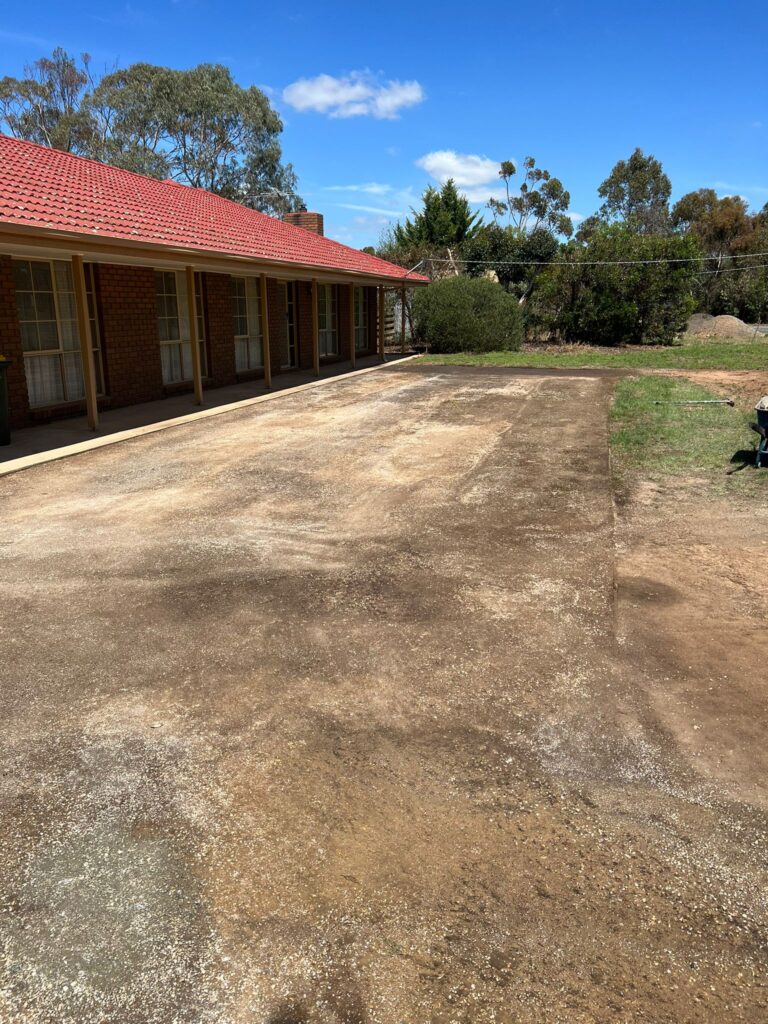
Asphalt is a durable and practical surfacing material used for driveways, roads, car parks and access areas. However, even a well-constructed asphalt surface will gradually experience wear from regular vehicle movements, weather exposure and natural ageing. Recognising the early signs of deterioration can help property owners address developing problems before they affect larger sections of the pavement.
For property owners and businesses in Deception Bay, QLD, understanding when asphalt requires attention is an important part of maintaining reliable vehicle access. While some changes are cosmetic, others may indicate that the surface or supporting pavement is beginning to deteriorate. Knowing the difference can help determine whether localised repairs, resurfacing or more extensive preparation is appropriate.
Why Is It Important to Recognise Asphalt Wear Early?
Asphalt deterioration often begins with relatively minor changes. Small cracks, rough patches or isolated depressions may not initially interfere with everyday vehicle movements, but they can become more serious if the underlying cause remains unresolved.
For example, a small crack can allow water to penetrate the pavement. If moisture reaches weakened supporting material, repeated vehicle loads may cause further movement, eventually contributing to potholes or larger areas of cracking.
Identifying these problems early provides an opportunity to assess the pavement while more of the existing surface remains serviceable.
1. Small Cracks Are Beginning to Appear
Cracking is one of the most recognisable signs of asphalt deterioration.
Cracks can develop for several reasons, including ageing, temperature changes, pavement movement and repeated traffic loading. Their appearance and pattern can provide useful information about the condition of the surface.
Common examples include:
- Fine cracks appearing across isolated sections
- Longer cracks extending through the pavement
- Cracking around previous repairs
- Interconnected cracks forming across wheel paths
- Cracks developing near pavement edges
A single small crack does not necessarily indicate major pavement failure. However, cracks that continue widening, multiplying or connecting should be assessed.
Why Cracks Should Not Be Ignored
The concern with cracking is not limited to appearance.
Once an opening develops, water can enter the pavement and potentially affect the supporting layers underneath. Traffic movement may then place additional stress on the weakened area.
Professional asphalt repairs can help address suitable localised defects before deterioration becomes more widespread.
2. The Asphalt Is Becoming Rougher
A noticeable change in surface texture can indicate that the asphalt wearing layer is deteriorating.
Over time, traffic and environmental exposure can contribute to the loss of fine surface material, leaving the aggregate increasingly exposed.
The pavement may begin to feel rougher under vehicle tyres or appear noticeably more open-textured than surrounding sections.
Although some texture is normal, progressive surface deterioration deserves attention, particularly when loose aggregate or cracking is also present.
Where the underlying pavement remains stable, resurfacing may be an option for restoring a more consistent wearing surface.
3. Loose Aggregate Is Appearing on the Surface
Asphalt contains aggregate held together by a bituminous binder. When the surface begins deteriorating, aggregate particles may gradually loosen and become displaced.
This process is commonly known as ravelling.
Signs can include:
- Loose stones accumulating along pavement edges
- Small areas where aggregate has become dislodged
- An increasingly coarse surface texture
- Bare-looking patches within regular wheel paths
- Progressive surface material loss
Ravelling can begin in relatively small areas but may spread as traffic continues disturbing the weakened surface.
A professional assessment can determine whether the problem is confined to the wearing layer or associated with deeper pavement deterioration.
4. Potholes Are Starting to Develop
Potholes are a more advanced indication that part of the pavement has failed.
They often develop when cracks, water penetration and repeated traffic loading contribute to the breakdown of asphalt and its supporting material.
Once a pothole forms, vehicle tyres can continue breaking material away from its edges, allowing the opening to become wider or deeper.
Potholes can also collect rainfall, increasing the likelihood of further deterioration.
Why Proper Pothole Repairs Matter
Simply filling a pothole without checking the surrounding pavement may leave the original cause unresolved.
Professional pothole repairs generally involve assessing the damaged section, removing unsuitable material where required, preparing the repair area and installing properly compacted replacement material.
If the pavement underneath has become unstable, additional preparation may be necessary.
Correctly identifying the extent of the damage is important for achieving a dependable repair.
5. Water Is Collecting in Certain Areas
Standing water is an important warning sign, particularly when it begins appearing in locations that previously drained effectively.
An asphalt surface should have suitable levels that encourage rainfall to move towards appropriate drainage points.
When depressions or ruts develop, water may begin collecting on the pavement.
Look for:
- Puddles remaining after rainfall
- Water collecting in wheel paths
- Wet areas surrounding cracks
- Depressions that repeatedly hold water
- Water accumulating near pavement edges
Persistent standing water can increase moisture exposure around existing defects and may contribute to further pavement deterioration.
The underlying cause should be identified before resurfacing or repairs are undertaken.
6. Depressions and Uneven Sections Are Becoming Noticeable
A pavement that was previously smooth may gradually develop low sections.
Depressions can result from settlement, inadequate support or repeated traffic loading. They may also indicate that material beneath the asphalt has moved or lost stability.
These areas can affect vehicle movement and create locations where rainfall accumulates.
If a depression is becoming progressively deeper, it may indicate a problem that extends beyond the surface layer.
Professional assessment can determine whether the affected section requires localised repairs or additional pavement preparation.
7. Wheel Ruts Are Forming
Wheel rutting occurs when repeated vehicle movements contribute to permanent depressions along frequently travelled paths.
Ruts are particularly noticeable where vehicles regularly follow the same route.
They may develop because of deformation within the asphalt, movement in the supporting pavement or a combination of both.
As rutting becomes more pronounced, it can interfere with drainage by creating channels that hold water.
Resurfacing may be suitable in some circumstances, but deeper pavement weakness must be addressed where it is contributing to the deformation.
8. The Edges of the Asphalt Are Breaking Away
Asphalt edges can become vulnerable when they lack adequate support or experience repeated vehicle loading.
Deterioration may begin with small cracks or loose fragments before sections start breaking away.
Common contributing factors include:
- Vehicles travelling close to unsupported edges
- Erosion of adjacent material
- Poor drainage
- Settlement
- General pavement deterioration
Edge damage should be assessed before it spreads further into the traffic surface.
Where necessary, repairs may need to address both the asphalt and the support provided by the surrounding pavement.
9. Previous Repairs Are Deteriorating Again
An asphalt surface that repeatedly develops defects around earlier repairs may require a broader assessment.
A previous repair might have addressed the visible damage, while movement or moisture problems continued affecting the surrounding pavement.
Warning signs include:
- Cracks forming around repair boundaries
- Potholes returning in the same locations
- Patches beginning to settle
- Loose material appearing beside repairs
- Several repaired sections deteriorating together
Recurring problems do not automatically mean the entire surface needs replacement. However, they can indicate that the cause of deterioration extends beyond individual defects.
10. The Asphalt Has Become Uneven Across Larger Areas
A few isolated defects can often be addressed individually.
When roughness, cracking, depressions and potholes begin appearing across substantial sections of a pavement, the situation may require a different approach.
Repeatedly repairing individual areas may not address the broader deterioration of the wearing surface.
A professional assessment can establish whether the underlying pavement remains suitable for resurfacing or whether more extensive reconstruction is necessary.
The objective should be to select a treatment that responds to the actual pavement condition rather than simply covering visible damage.
What Causes Asphalt Surfaces to Deteriorate?
Understanding the cause of wear is important when deciding how to maintain or restore an asphalt surface.
Regular Traffic Loading
Vehicle movements place repeated stress on the pavement.
Areas used frequently by heavier vehicles or subjected to regular braking and turning can experience concentrated wear.
Water Penetration
Water entering cracks or damaged sections can affect the supporting pavement and contribute to instability.
Effective drainage and timely repairs help reduce this risk.
Ageing of the Asphalt
Asphalt gradually changes through exposure to air, sunlight and environmental conditions.
Over time, the binder can become less flexible, making the surface more susceptible to certain forms of cracking and deterioration.
Inadequate Pavement Support
A stable foundation is essential for reliable asphalt performance.
Where the supporting material is weak, poorly compacted or affected by moisture, the asphalt may begin deforming under traffic.
Existing Drainage Problems
Poor drainage can allow water to remain on or within the pavement.
This can contribute to recurring defects, particularly where cracking or settlement is already present.
When Are Localised Asphalt Repairs Appropriate?
Localised repairs may be suitable when deterioration is confined to relatively small sections and the surrounding pavement remains stable.
Examples include:
- Individual potholes
- Isolated cracks
- Small failed patches
- Limited edge damage
- Localised depressions
The repair method should reflect the type and extent of deterioration.
Where the supporting pavement has failed, simply replacing the visible asphalt may not be sufficient. The affected area may need to be rebuilt before the surface is restored.
When Should Asphalt Resurfacing Be Considered?
Resurfacing may be appropriate when the existing asphalt wearing layer has deteriorated across a broader area but the supporting pavement remains structurally suitable.
It can help restore a more consistent surface and address general wear.
However, preparation is essential.
Before resurfacing, existing potholes, unstable sections, significant depressions and drainage problems should be assessed and corrected where necessary.
Installing new asphalt over unresolved pavement defects can allow the same problems to reappear.
A professional contractor can determine whether resurfacing is suitable or whether deeper repairs are required.
Why Professional Assessment Is Important
Different forms of asphalt deterioration can look similar from the surface.
For example, a depression may be caused by movement within the asphalt layer or by weakness in the supporting pavement. Similarly, cracking may result from ageing, traffic loading or underlying movement.
These differences influence the appropriate repair method.
An experienced asphalt contractor can assess:
- The type and extent of surface damage
- Stability of the surrounding pavement
- Drainage conditions
- Existing surface levels
- Traffic use
- Condition of previous repairs
- Whether deterioration is localised or widespread
This helps ensure that the recommended work addresses the cause of the problem rather than only its appearance.
How Can You Help Maintain an Asphalt Surface?
Regular observation and timely maintenance can help preserve an asphalt surface.
Practical steps include:
- Checking for new cracks or potholes
- Watching for areas where water collects
- Monitoring existing repairs
- Identifying changes in surface levels
- Keeping drainage paths clear
- Arranging assessment when defects begin spreading
It is particularly useful to inspect the surface after rainfall, when drainage problems and low sections may be easier to identify.
Recognising changes early can help prevent manageable defects from developing into more extensive pavement deterioration.
Professional Asphalt Repairs and Resurfacing in Deception Bay, QLD
Maintaining an asphalt surface requires an understanding of both the visible wearing layer and the pavement supporting it.
Deception Bay Surfacing Solutions provides professional asphalt and bitumen surfacing services in Deception Bay, QLD, with attention to surface condition, preparation, drainage and the appropriate treatment for existing deterioration.
Whether the problem involves isolated potholes, cracking, uneven sections or broader surface wear, assessing the pavement before work begins helps determine whether repairs or resurfacing are the most suitable approach.
Conclusion
Asphalt surfaces often show warning signs before more extensive deterioration develops. Cracking, loose aggregate, increasing roughness, potholes, standing water, rutting and edge damage can all indicate that the pavement requires attention.
The appropriate response depends on the extent of the damage and the condition of the supporting pavement. Localised repairs may be sufficient where defects are limited, while resurfacing may be appropriate when the wearing layer has deteriorated more widely. Where underlying pavement weakness exists, additional preparation may be necessary.
For property owners and businesses in Deception Bay, QLD, Deception Bay Surfacing Solutions can assess worn or damaged asphalt and recommend an appropriate repair or resurfacing solution. Addressing deterioration at the right stage can help maintain smoother, safer and more dependable vehicle access while preserving the parts of the pavement that remain in good condition.
Call us on: 07 3113 9873
Click here to find out more about Deception Bay Surfacing Solutions
Click here to complete our contact form and see how we can help with your surfacing needs.